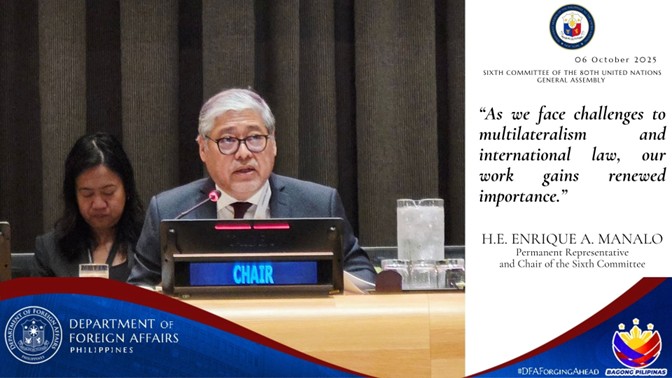
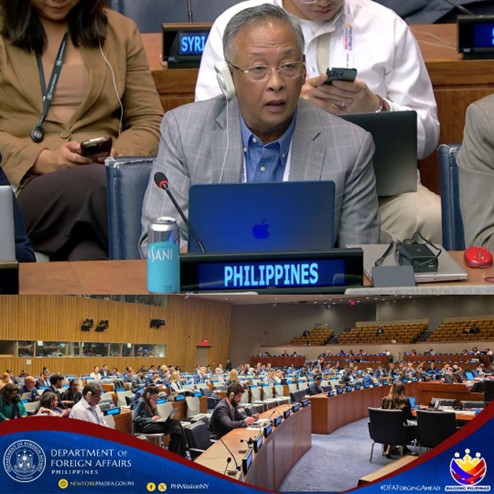
Facebook Twitter Google Plus Linkedin PHILIPPINES LEADS LEGAL COMMITTEE AT THE 80TH UNITED NATIONS GENERAL ASSEMBLY Monday, 06 October 2025
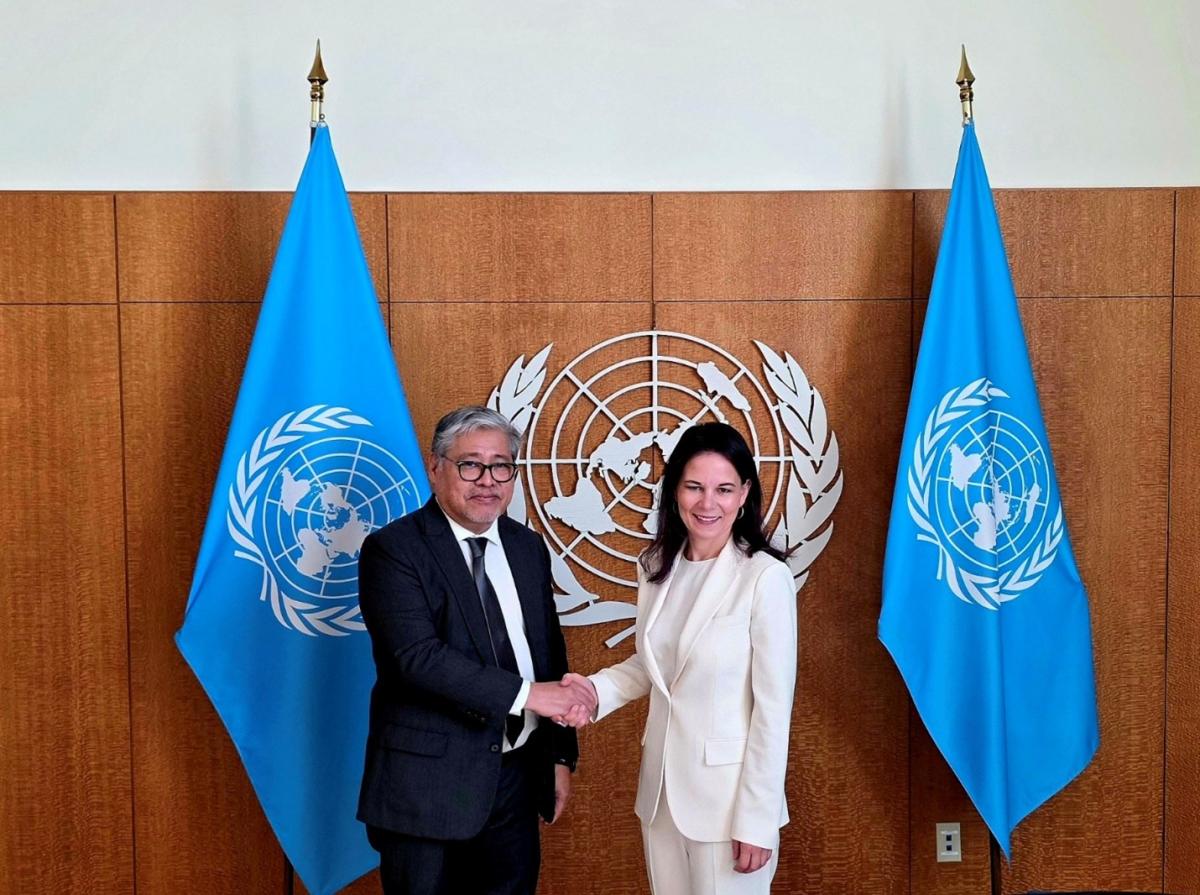
Facebook Twitter Google Plus Linkedin Philippines’ Permanent Representative to the UN Meets with President of the UN General Assembly Thursday, 02 October 2025
Facebook Twitter Google Plus Linkedin Philippines’ Permanent Representative Presents Credentials to UN Secretary-General Friday, 19 September 2025
Facebook Twitter Google Plus Linkedin BBNJ AGREEMENT PREPARATORY COMMISSION CONCLUDES SECOND SESSION; PHILIPPINES REAFFIRMS COMMITMENT TO EARLY OPERATIONALIZATION Friday, 29 August 2025
Facebook Twitter Google Plus Linkedin Request for Quotations - For the Rental of a suitable event space/venue for the Diplomatic Reception on 12 June 2025 to be hosted by the Permanent Mission of the Philippines to the United Nations in New York Tuesday, 25 March 2025Request for Quotations - For the Rental of a suitable event space/venue for the Diplomatic Reception on 12 June 2025 to be hosted by the Permanent Mission of the Philippines to the United Nations in New York
Facebook Twitter Google Plus Linkedin Request for Quotations - Emergency Repairs of the 2nd Floor Atrium Ceiling and 3rd Floor Powder Room / Toilet at the Official Residence of the Permanent Representative Tuesday, 18 February 2025Request for Quotations - Emergency Repairs of the 2nd Floor Atrium Ceiling and 3rd Floor Powder Room / Toilet at the Official Residence of the Permanent Representative
Facebook Twitter Google Plus Linkedin Request for Quotation - Purchase of a Service Vehicle (Passenger Van 12 or 15-seater) Wednesday, 02 October 2024Request for Quotation - Purchase of a Service Vehicle (Passenger Van 12 or 15-seater)
Facebook Twitter Google Plus Linkedin INVITATION TO BID - 2014 HONDA ODYSSEY VAN Wednesday, 02 October 2024INVITATION TO BID - 2014 HONDA ODYSSEY VAN
Facebook Twitter Google Plus Linkedin Request for Quotations - Printing, Installation and Dismantling of Exhibit Materials on the International Law Commission's Draft Articles on the Protection of Persons in the Event of Disasters (PPED) Monday, 03 June 2024https://www.un.int/philippines/sites/www.un.int/files/Philippines/request_for_quotations_-_printing_installation_and_dismantling_of_exhibit_materials.pdf
Facebook Twitter Google Plus Linkedin Request for Quotations - Replacement of two Water Heater Tanks Tuesday, 12 March 2024https://www.un.int/philippines/sites/www.un.int/files/Philippines/request_for_quotations_replacement_of_two_water_heater_tanks2.docx